
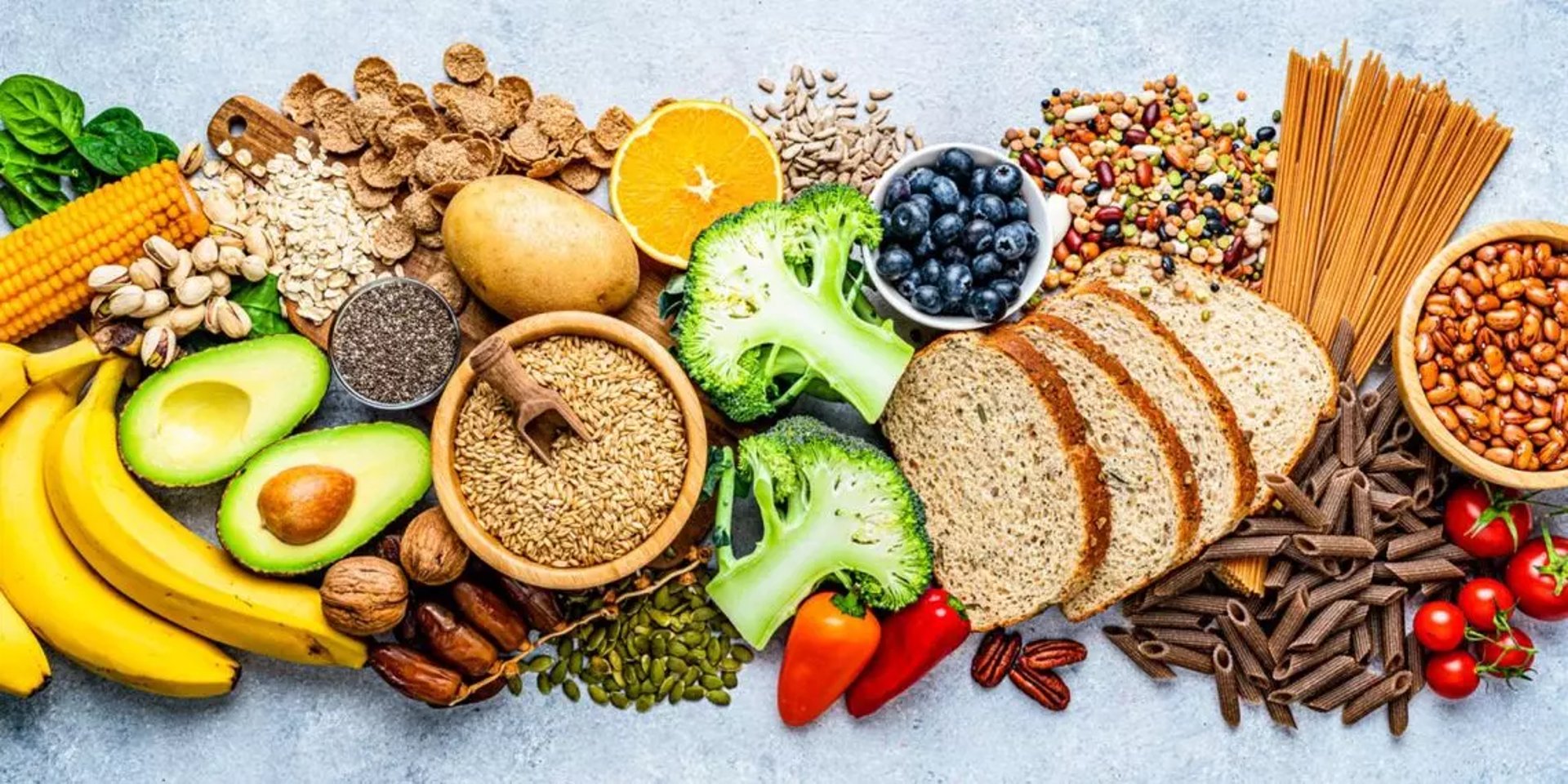
The Energy Gap: Best Nutrition Tips to Boost Your Daily Energy
Tired and low on energy? Discover the best nutrition tips, essential vitamins, and healthy eating habits that fuel your body and mind every single day at LyvonFit.
NUTRITION
5/17/20268 min read
Tired, foggy, and low on motivation? The answer might be on your plate — not in your schedule.
Why Food Is Your First Medicine
Before supplements. Before coffee. Before anything else — food is the most powerful tool you have to control how you feel every single day.
Most people eat to satisfy hunger. But your body needs much more than that.
It needs specific vitamins, minerals, and macronutrients to produce energy, regulate mood, repair muscles, and keep your brain sharp.
When those nutrients are missing, your body doesn't shut down — it just runs poorly. That constant tiredness, brain fog, irritability, and lack of motivation? That's your body asking for better fuel.
The Big Three: What Your Body Actually Needs
Before diving into specific foods, it helps to understand the three macronutrients your body runs on:
Carbohydrates — Your Primary Energy Source
Carbs are not the enemy. They are your body's preferred fuel, especially for your brain and muscles. The key is choosing the right kind.
Simple carbs (white bread, sugar, candy) give quick energy followed by a crash
Complex carbs (oats, brown rice, sweet potato, whole grain bread) release energy slowly and keep you stable for hours
Protein — Your Repair and Satiety System
Protein keeps you full, rebuilds muscle tissue, and stabilizes blood sugar. Without enough protein, you feel hungry faster, lose muscle, and feel weaker over time.
Good sources: eggs, chicken, fish, beans, lentils, Greek yogurt, tofu
Healthy Fats — Your Brain and Hormone Support
Fat is essential for brain function, hormone production, and absorbing fat-soluble vitamins. Avoid trans fats, but embrace healthy fats.
Good sources: avocado, olive oil, nuts, seeds, fatty fish like salmon
Essential Vitamins: What They Do and Where to Find Them
Vitamin A
What it does: Supports vision, immune system, and skin health. Also helps organs function properly.
Best sources:
Sweet potato — one of the richest sources available
Carrots — easy to snack on raw
Spinach and kale — versatile in meals
Eggs — simple and accessible
Signs of deficiency: Night blindness, dry skin, frequent infections
Vitamin B Complex (B1, B2, B3, B6, B12)
What it does: The B vitamins are directly responsible for converting food into energy. Without them, you feel constantly tired no matter how much you sleep. B12 in particular is essential for nerve function and red blood cell production.
Best sources:
B1 (Thiamine): whole grains, pork, legumes
B2 (Riboflavin): dairy, eggs, lean meats, almonds
B3 (Niacin): chicken, tuna, turkey, peanuts
B6: bananas, potatoes, chickpeas, salmon
B12: meat, fish, dairy, eggs — vegans need to supplement this one
Signs of deficiency: Extreme fatigue, weakness, memory problems, tingling in hands and feet
Vitamin C
What it does: Boosts immune system, helps absorb iron, protects cells from damage, and supports energy production.
Best sources:
Bell peppers — higher in Vitamin C than oranges
Oranges and kiwi — great as snacks
Broccoli — excellent cooked or raw
Strawberries — easy to add to breakfast
Signs of deficiency: Frequent colds, slow wound healing, fatigue, bleeding gums
Vitamin D
What it does: Regulates mood, supports bone health, boosts immune function, and is directly linked to energy levels. Many people are deficient without knowing it — especially those who work indoors or live in countries with less sunlight.
Best sources:
Sunlight — 15 to 20 minutes of direct sun daily is ideal
Fatty fish: salmon, mackerel, sardines
Egg yolks
Fortified foods: some milks, cereals, and orange juices
Signs of deficiency: Fatigue, depression, bone pain, frequent illness, muscle weakness
Vitamin E
What it does: Powerful antioxidant that protects cells, supports immune function, and helps skin health.
Best sources:
Almonds and sunflower seeds — easy to snack on
Spinach and broccoli
Avocado
Olive oil
Signs of deficiency: Muscle weakness, vision problems, weakened immune system
Vitamin K
What it does: Essential for blood clotting and bone health. Often overlooked but critical for long-term health.
Best sources:
Kale and spinach — highest sources
Broccoli and Brussels sprouts
Green onions
Fermented foods
Signs of deficiency: Easy bruising, excessive bleeding, weak bones
Iron
What it does: Carries oxygen through your blood. Low iron means less oxygen reaching your muscles and brain — which is one of the most common causes of fatigue, especially in women.
Best sources:
Red meat and liver — highest absorption rate
Spinach and lentils — good plant-based options
Pumpkin seeds
Dark chocolate — yes, really
Important tip: Eat iron-rich foods with Vitamin C to increase absorption. Avoid coffee or tea immediately after iron-rich meals as they reduce absorption.
Signs of deficiency: Extreme fatigue, pale skin, shortness of breath, cold hands and feet
Magnesium
What it does: Involved in over 300 biochemical reactions in your body. Supports muscle function, sleep quality, stress regulation, and energy production.
Best sources:
Dark leafy greens: spinach, kale
Nuts and seeds: almonds, pumpkin seeds
Black beans and lentils
Banana and avocado
Dark chocolate
Signs of deficiency: Muscle cramps, poor sleep, anxiety, low energy, headaches
Eating for Energy Without Gaining Weight
This is where most people get it wrong. They think eating less automatically means feeling better and losing weight. In reality, eating too little causes your body to go into survival mode — slowing your metabolism, breaking down muscle, and leaving you exhausted and weak.
The goal is not to eat less. The goal is to eat smarter.
Foods That Give Energy Without Excess Calories
Oats Complex carbs with fiber that release energy slowly. Keeps you full for hours. Add banana and nuts for a complete breakfast.
Eggs High protein, healthy fats, B vitamins, and Vitamin D — all in one food. One of the most complete foods available.
Banana Natural sugars plus potassium and B6. Perfect pre-workout snack or afternoon energy boost.
Sweet Potato Complex carbs, Vitamin A, fiber, and potassium. Filling without being heavy.
Greek Yogurt High protein, probiotics for gut health, calcium, and B12. Great for breakfast or snacks.
Lentils and Beans Protein, iron, fiber, and complex carbs together. Keeps energy stable for hours.
Leafy Greens (Spinach, Kale, Arugula) Low calorie, high in iron, magnesium, Vitamin K, and Vitamin C. Add to any meal without significantly increasing calories.
Nuts and Seeds Healthy fats, magnesium, and protein. Small portions go a long way — a handful is enough.
Water Not a food, but the most important item on this list. Even mild dehydration causes fatigue, brain fog, and poor physical performance. Drink at least 2 liters per day.
How to Diet Without Feeling Weak or Sick
If your goal is to lose weight while maintaining energy, follow these principles:
Never cut below 1,200 calories for women or 1,500 for men Going below these numbers deprives your body of essential nutrients and causes muscle loss, extreme fatigue, dizziness, and hormonal imbalance.
Prioritize protein at every meal Protein preserves muscle mass during weight loss. Aim for at least 25 to 30 grams per meal.
Don't skip carbs — choose better ones Replace white bread with whole grain. Replace white rice with brown rice or sweet potato. Replace sugary snacks with fruit and nuts.
Eat frequently in smaller portions Instead of 2 large meals, aim for 4 to 5 smaller ones. This keeps blood sugar stable and prevents the energy crashes that make dieting feel unbearable.
Don't cut fat completely Healthy fats are essential for absorbing vitamins A, D, E, and K. Without fat, those vitamins pass through your body unused.
Listen to your body Feeling dizzy, extremely weak, or constantly cold are signs that you're not eating enough. Sustainable weight loss is slow — 0.5 to 1 kg per week is healthy and maintainable.
A Simple Weekly Eating Framework for Busy People
You don't need to meal prep for hours. You just need a simple structure:
Every meal should have:
A protein source (eggs, chicken, fish, beans, yogurt)
A complex carb (oats, rice, sweet potato, whole grain bread)
A vegetable or fruit (any color, any kind)
A healthy fat (olive oil, nuts, avocado)
Every day should have:
At least 2 liters of water
At least 3 colors on your plate throughout the day
At least one meal with leafy greens
That's it. No complicated plans. No expensive supplements. Just real food, consistently.
The Bottom Line
Closing the Energy Gap is not about eating less or following a restrictive diet. It's about giving your body what it actually needs to perform, recover, and feel good every day.
Start with one change this week. Add an egg to your breakfast. Drink a glass of water when you wake up. Swap one processed snack for a handful of nuts.
Small changes. Real results. For every body, at every age.ch is one of the most common and overlooked causes of fatigue, particularly in women. Good sources include red meat, spinach, lentils, and pumpkin seeds. Important tip: eat iron-rich foods alongside vitamin C to increase absorption, and avoid coffee or tea right after iron-rich meals as they reduce it.
Magnesium is involved in over 300 biochemical reactions in your body, including the actual production of ATP. Low magnesium leads to muscle cramps, poor sleep, anxiety, headaches, and persistent low energy. It's one of the most common nutrient deficiencies and one of the least talked-about. Find it in dark leafy greens, almonds, pumpkin seeds, black beans, avocado, and dark chocolate.
Vitamin C does more than fight colds. It boosts iron absorption, protects cells from oxidative stress, and plays a direct role in energy metabolism. Find it in bell peppers (which actually have more vitamin C than oranges), kiwi, broccoli, strawberries, and oranges.
Foods That Give You Energy Without Making You Feel Heavy
Here's a practical list of the most energy-efficient whole foods — high on nutrients, low on the kinds of calories that slow you down.
Oats deliver complex carbs plus B vitamins and beta-glucan fiber. They keep you full and energized for three to four hours. Add banana and nuts for a complete meal.
Eggs are one of the most complete energy foods available — high-quality protein, healthy fats, B vitamins, vitamin D, and choline, which supports brain function and focus. Two eggs at breakfast genuinely changes how you feel by midmorning.
Bananas give you natural sugars for quick energy, plus potassium and B6. Perfect pre-workout or during an energy dip.
Sweet potato provides complex carbs, vitamin A, vitamin C, fiber, and potassium — without the blood sugar spike of processed carbs.
Greek yogurt delivers protein, probiotics for gut health, calcium, and B12 in one convenient package. Great for breakfast or snacks.
Lentils and beans combine protein, iron, fiber, and complex carbs. They keep energy stable for hours and are one of the most cost-effective foods on this list.
Leafy greens — spinach, kale, arugula — are low in calories but rich in iron, magnesium, vitamin K, and vitamin C. Add them to anything.
Nuts and seeds are dense in healthy fats, magnesium, and protein. A small handful genuinely helps during energy slumps.
Water is non-negotiable. Even mild dehydration causes fatigue, brain fog, and poor physical performance. Aim for at least two liters per day, more if you're active or working in heat.
How to Eat for Energy Without Making It Complicated
You don't need a meal plan or a nutrition degree. Just use this simple framework for every meal:
Include a protein source — eggs, chicken, fish, beans, yogurt, or tofu.
Include a complex carb — oats, rice, sweet potato, or whole grain bread.
Include a vegetable or fruit — any color, any kind.
Include a healthy fat — olive oil, a few nuts, half an avocado.
Every day, aim for at least two liters of water, at least three different colors on your plate across meals, and at least one meal with leafy greens.
That's the whole system. No tracking, no weighing, no complicated rules.
How to Lose Weight Without Feeling Weak
If your goal is to reduce body fat while maintaining energy, here are the principles that actually matter.
Don't cut calories below 1,200 per day for women or 1,500 for men. Going below these numbers doesn't speed up weight loss — it causes muscle loss, extreme fatigue, dizziness, and hormonal disruption. Sustainable weight loss is slow — 0.5 to 1 kilogram per week is the healthy range.
Prioritize protein at every meal. Protein preserves muscle during weight loss. Aim for at least 25 to 30 grams per meal.
Don't cut carbs — upgrade them. Replace white bread with whole grain, white rice with brown rice or sweet potato, sugary snacks with fruit and nuts.
Don't cut fat. Healthy fats are essential for absorbing vitamins A, D, E, and K. Cutting fat completely means those vitamins pass through your body without being used.
Listen to your body. Feeling consistently dizzy, cold, or extremely weak are signs you're undereating, not signs you're doing it right.
The Bottom Line
Closing the Energy Gap isn't about eating less or following a restrictive protocol. It's about giving your body the specific nutrients it needs to produce energy, repair itself, and keep you functioning at your best — every day, regardless of your schedule.
Start with one change this week. Add an egg to your breakfast. Drink a glass of water when you wake up. Swap one processed snack for a handful of almonds and some fruit.
Small changes. Real results. For every body, at every age.
— This article is for informational purposes only and does not replace the advice of a registered dietitian or healthcare professional. Always consult a professional before making significant dietary changes, especially if you have a health condition.
Want to see these foods in action? Read our guide on Natural Energy Foods: 5 Ways to Boost Energy Without Coffee — practical ways to use these foods in your daily routine.
⚠️ Disclaimer: This content is for informational purposes only and does not constitute medical advice. Always consult a healthcare professional before making significant changes to your diet.
At LyvonFit, we believe feeling good starts with eating smart. Explore more simple, honest guides made for real people with real lives.